BodySync Chiropractic logo

BodySync Chiropractic is a Stirling-based chiropractic clinic serving Perth's northern suburbs. We take the time to understand what's driving your pain, then build a practical, hands-on plan to address it.

What We Do

A multi-modal
approach to care

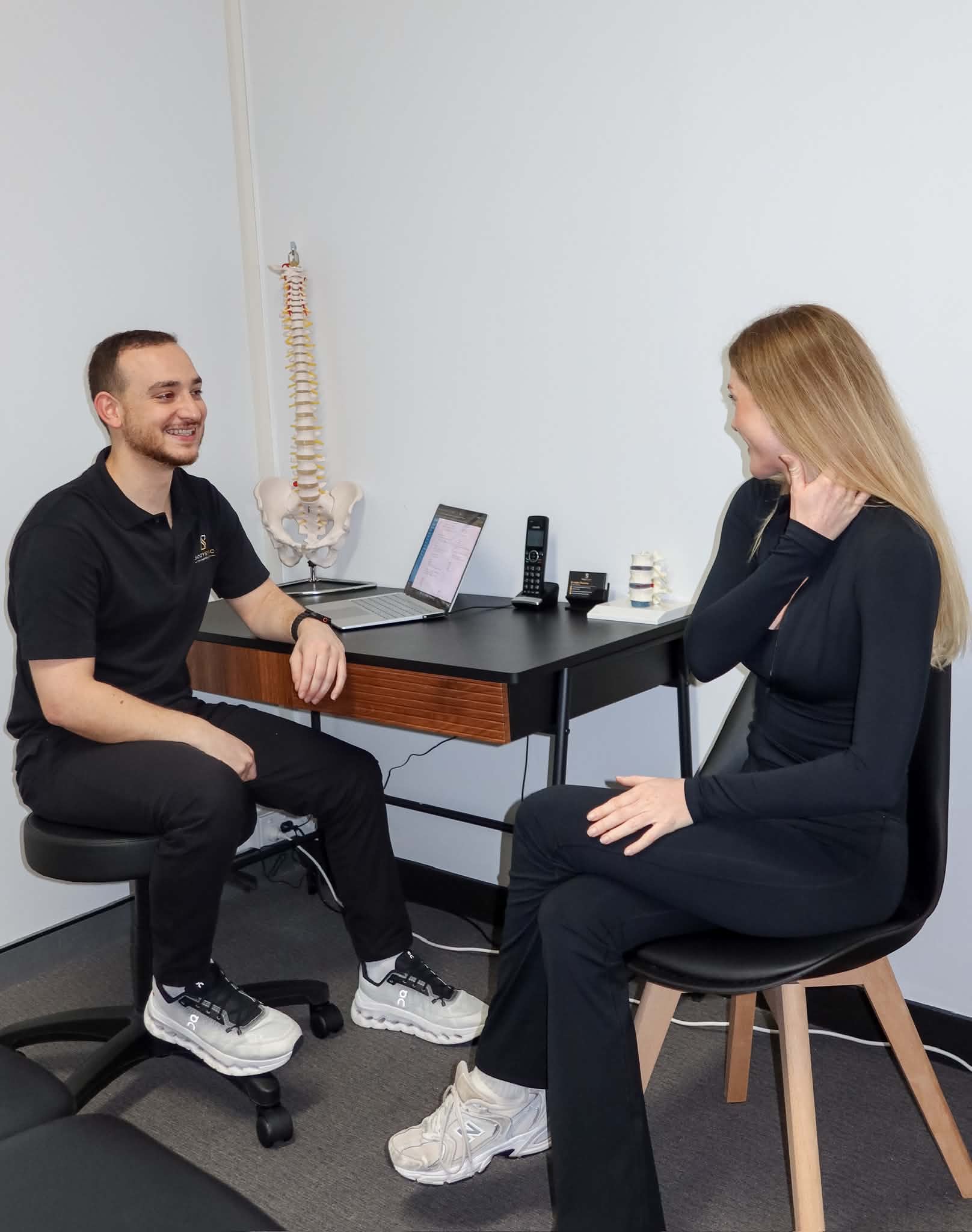
At BodySync Chiropractic, we work with a wide range of musculoskeletal conditions affecting muscles, joints, nerves, and movement. Whether you're dealing with a recent injury, recurring pain, or a long-standing concern, we take the time to understand what's driving your symptoms and develop a treatment plan tailored to you.

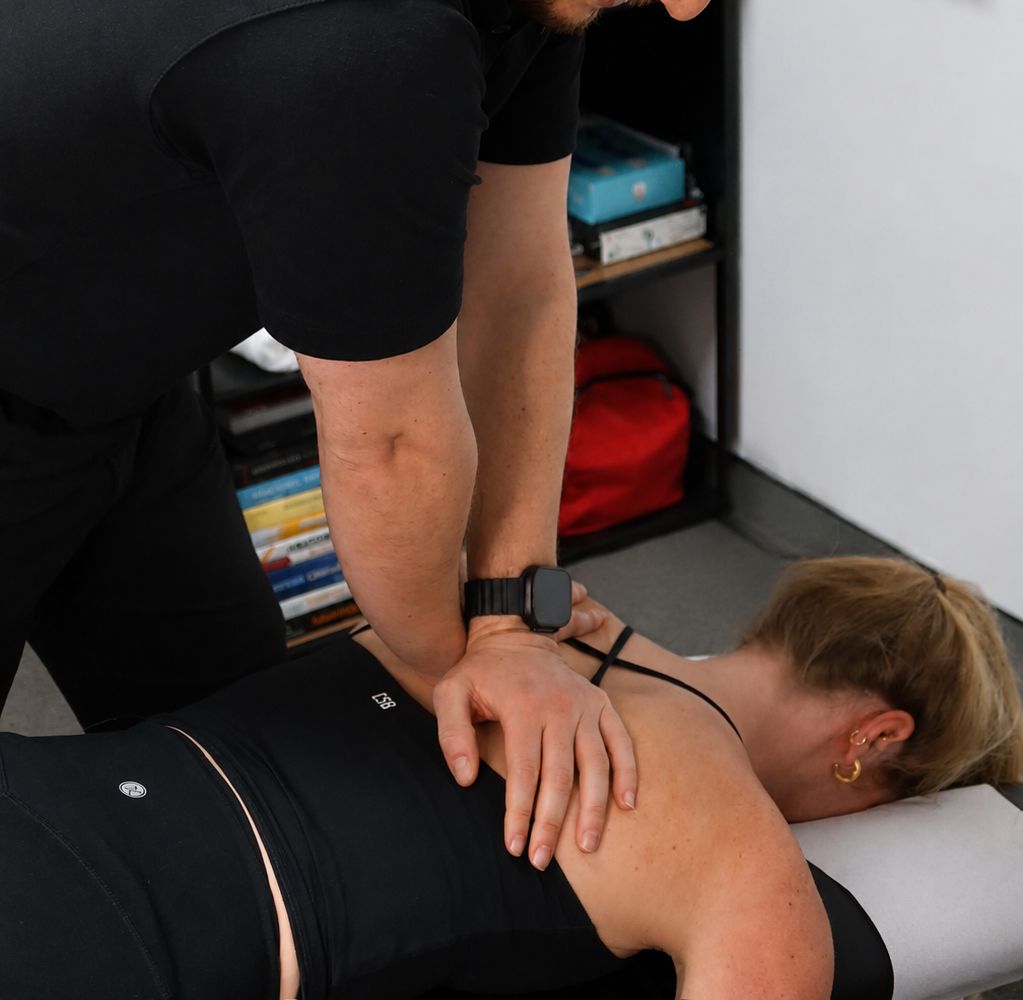
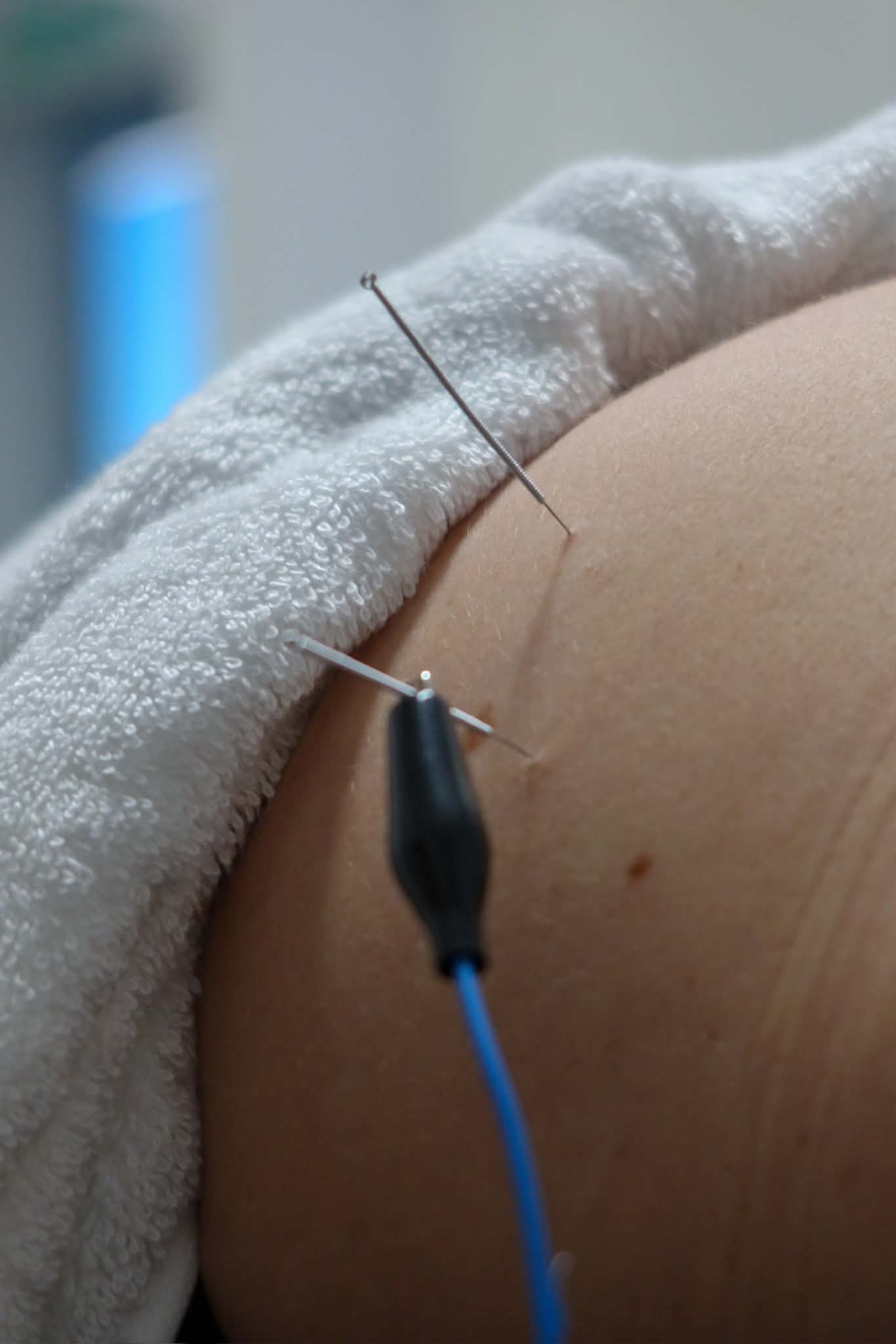
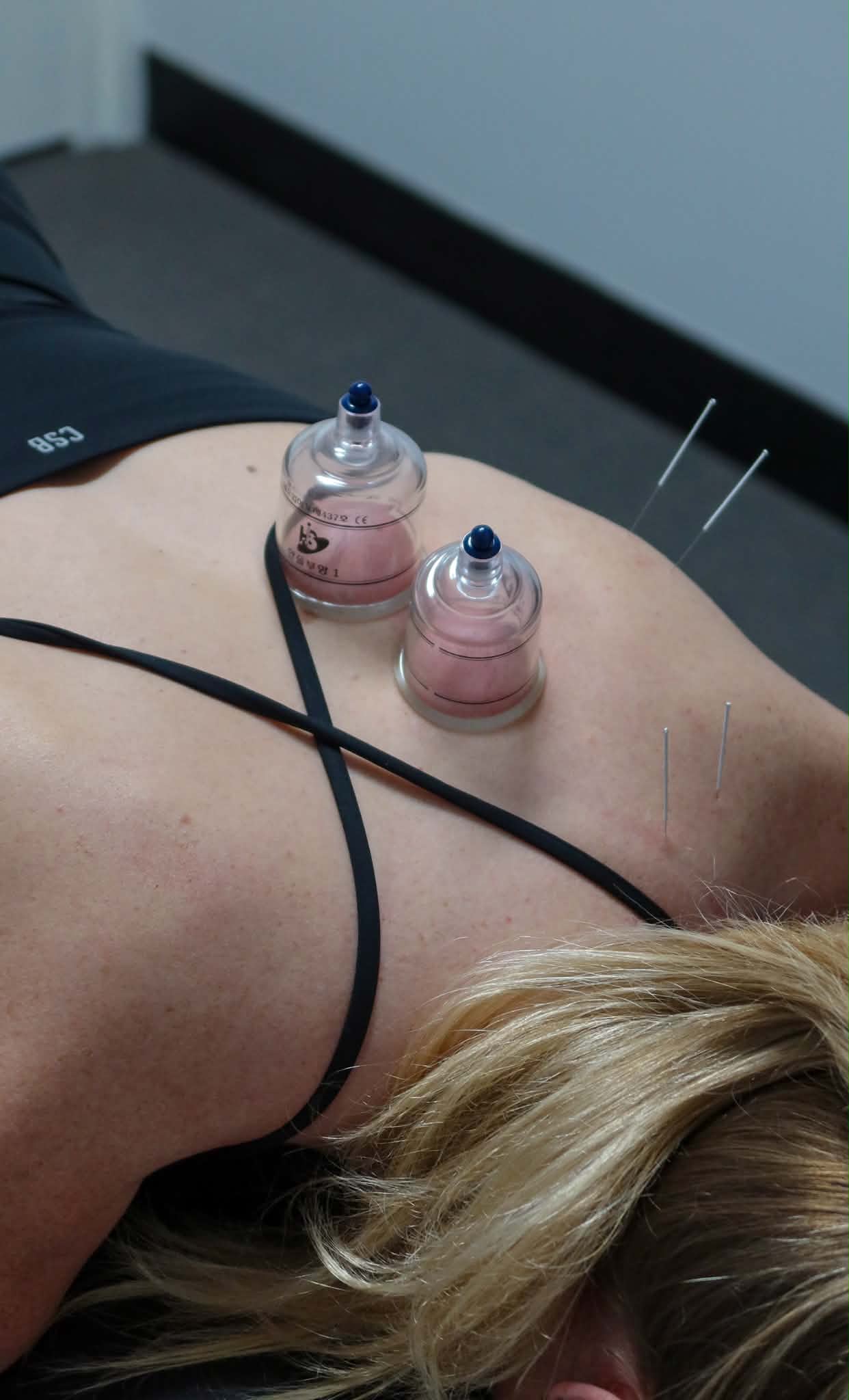
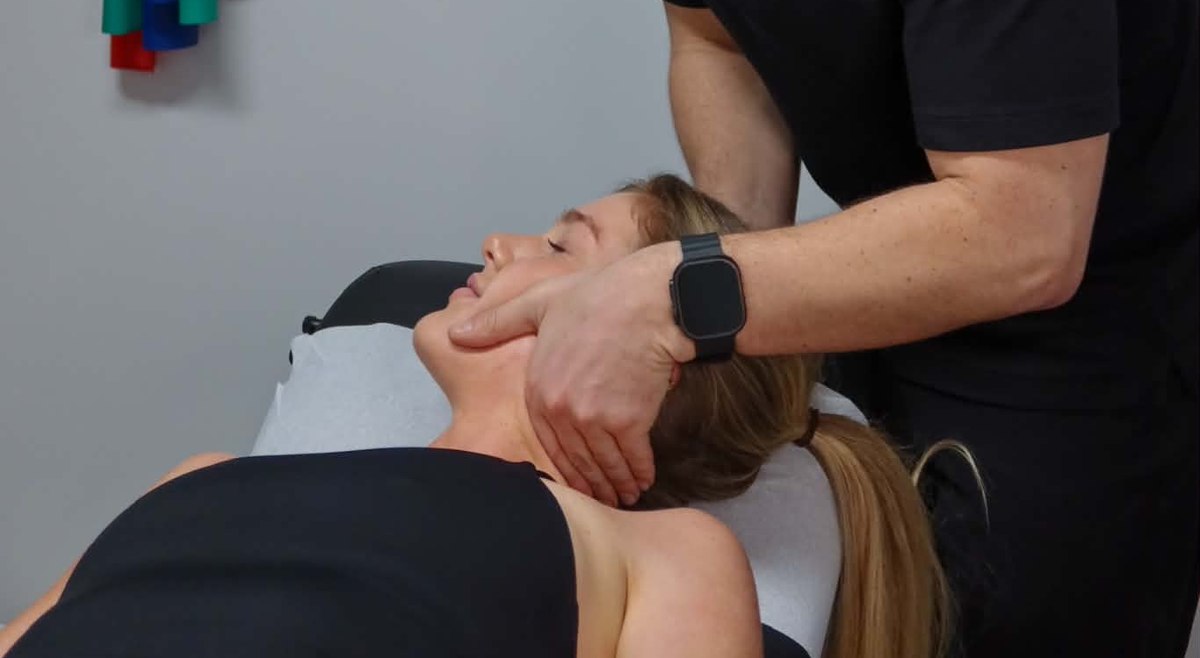
We believe quality care takes time. Longer appointments give us the opportunity to properly assess your concerns, identify contributing factors, and develop a treatment plan that's right for you. Depending on your needs, treatment may involve adjustments, dry needling, soft tissue therapy, and personalised rehabilitation exercises.

Conditions

What we
commonly see

The categories below reflect the most common presentations. We assess and manage all musculoskeletal conditions, including those not listed here. If you have a question about your specific situation, feel free to call or email.

Lower back pain is one of the most common musculoskeletal complaints, with research suggesting up to 80% of people will experience a significant episode at some point in their lives. It ranges from acute mechanical pain, often related to how load is being managed across the lumbar spine and pelvis, to more persistent presentations involving disc pathology, facet joint irritation, or referred pain into the buttock and leg.

Assessment focuses on identifying the contributing factors: movement limitations, load tolerance, and any neurological involvement. Management typically involves hands-on treatment to address joint mobility and soft tissue tension, combined with targeted exercise to build the capacity to stay better long-term.

Neck pain commonly presents with stiffness, restricted movement, and localised pain, often linked to sustained postures, occupational load, or an acute strain such as whiplash. Cervicogenic headaches, which originate from the upper cervical spine, are frequently misidentified as tension or migraine-type headaches. Current evidence supports manual therapy and targeted exercise as effective approaches for both.

Assessment looks at the mechanics of the cervical spine, the contribution of the upper thoracic region, and any patterns that may be driving symptom persistence. Treatment is directed at restoring movement, reducing muscular tension, and building the resilience to manage the demands of daily life and work.

Sciatica refers to pain that travels along the path of the sciatic nerve, typically from the lower back through the buttock and into the leg, sometimes as far as the foot. It is usually caused by nerve root irritation or compression, commonly associated with disc pathology or lumbar spinal stenosis. Symptoms can include shooting pain, numbness, tingling, or altered sensation in the lower limb.

The research generally supports conservative management as the first-line approach for most presentations. Assessment involves identifying the level and nature of involvement, ruling out features that would warrant urgent referral, and establishing a treatment approach that addresses both the source of irritation and the capacity of the surrounding structures to manage load progressively.

Shoulder pain is commonly associated with rotator cuff-related conditions, shoulder impingement syndrome, acromioclavicular joint dysfunction, or referred pain from the cervical and upper thoracic spine. Arm pain, including elbow, wrist, and hand presentations, can stem from local soft tissue or joint issues, or originate from nerve pathways higher up in the neck or thoracic outlet.

Current evidence points to load management and progressive rehabilitation as central to recovery for most shoulder conditions. Assessment includes evaluating movement quality, strength, and the contribution of the thoracic spine and neck. Treatment addresses both the local dysfunction and the broader movement patterns that may be contributing to the problem.

Hip pain presentations include femoroacetabular impingement (FAI), gluteal tendinopathy, hip flexor strain, and referred pain from the lumbar spine or sacroiliac joint. Leg pain can involve the knee, including patellofemoral pain or ITB syndrome, as well as the ankle and foot. Many of these conditions are closely related to load capacity and movement patterns across the lower limb and pelvis.

Assessment considers both local joint and tissue health and the broader biomechanical factors that may be driving the issue. Treatment typically combines hands-on therapy to address joint mobility and tissue irritability with a structured exercise approach aimed at restoring strength and tolerance to the activities that matter to you.

Sports injuries span a wide range of presentations, acute muscle and ligament strains, stress-related bone injuries, tendinopathies, and overuse conditions that develop gradually with training load. The evidence base for sports injury management has shifted significantly toward active, load-based rehabilitation rather than prolonged rest. The goal is returning to sport at full capacity, not simply resolving symptoms.

Management is structured around an honest assessment of where you are now and what's required to get back to your sport or activity. This includes hands-on treatment in the early stages, progressive loading through rehabilitation, and clear milestones for return to full training. Whether you're a weekend recreational athlete or training at a higher level, the approach is the same: evidence-based, practical, and built around your goals.

Dr Adam Filocamo

Photo coming soon

Principal Chiropractor

Dr Adam Filocamo
BScChiro & BClincChiro

I graduated from Murdoch University with a double degree in Bachelor of Science and Bachelor of Clinical Chiropractic.

My approach focuses on understanding the bigger picture rather than simply treating the area that's sore. I look at the factors contributing to your symptoms, including movement patterns, training habits, work demands, lifestyle, and previous injuries, and believe that educating patients about their condition is just as important as the treatment itself.

Treatment is tailored to the individual and may include spinal and extremity adjustments, dry needling, soft tissue therapies, taping, and exercise rehabilitation. Whether your goal is returning to sport, managing day-to-day pain, or keeping up with family life, my aim is to help you move better, feel better, and stay active long term.

I work with office workers, tradies, FIFO workers, athletes, gym-goers, and active retirees. Outside the clinic, I've competed in Tae Kwon Do and Kickboxing tournaments, grew up playing AFL, and stay active through regular gym training.

Book a Consult Read the FAQ
Blog

Articles &
insights

Blog posts coming soon

We'll be publishing articles on pain science, injury management, and how to get more out of your body. Check back soon.

Frequently asked
questions

Not answered here? Give us a call or send us an email, we're happy to answer any questions before you book.

Call Us Directly

We keep our fees straightforward. Here's what to expect:

Initial Consultation
Full assessment + treatment if appropriate
$115
45 min
Extended Treatment
Treatment & rehabilitation
$95
30 min
Standard Treatment
Focused repeat treatment
$70
15 min

Private health rebates available on-the-spot via HICAPS. Rebate amount depends on your fund and level of cover.

No referral is needed, you can book directly. If you have existing scans or imaging, feel free to bring them along. They can provide useful context, though we'll conduct our own assessment from scratch regardless.

Your first visit is 45 minutes. We'll start with a thorough history to understand your complaint, how it started, and what's affecting it day-to-day. From there we move into a physical examination to assess your movement, strength, and neurological function where relevant. Based on those findings, we'll explain what's going on and put together a management plan that outlines the recommended approach and what to expect going forward.

It depends on the condition, how long it's been present, and how your body responds. After the initial assessment we'll give you a realistic estimate. The goal is to get you better as efficiently as possible, we'll always be upfront about progress and adjust the plan accordingly.

Yes, most major health funds include chiropractic under their extras cover. We have HICAPS available, so you can claim your rebate on the spot. The amount will depend on your fund and level of cover.

We see patients aged 10 and above, as well as older adults. Treatment is always adapted to the individual, gentler, low-force techniques are used where appropriate based on age, presentation, and comfort.

Ready to get
back to it?

We're here to help. Same-day appointments often available. Call us or book online.

Book a Consultation 2/37 Cedric St, Stirling WA 6021
Visit Us in Stirling

Come and find us
in Stirling

Address
2/37 Cedric Street
Stirling WA 6021
Opening Hours
Mon – Fri: 8:00am – 6:30pm
Saturday: 8:00am – 2:30pm
Sunday: Closed
Parking
Free on-site parking available. Accessible entry.