Patient Guide
Dry Needling vs Acupuncture - What Is the Difference?
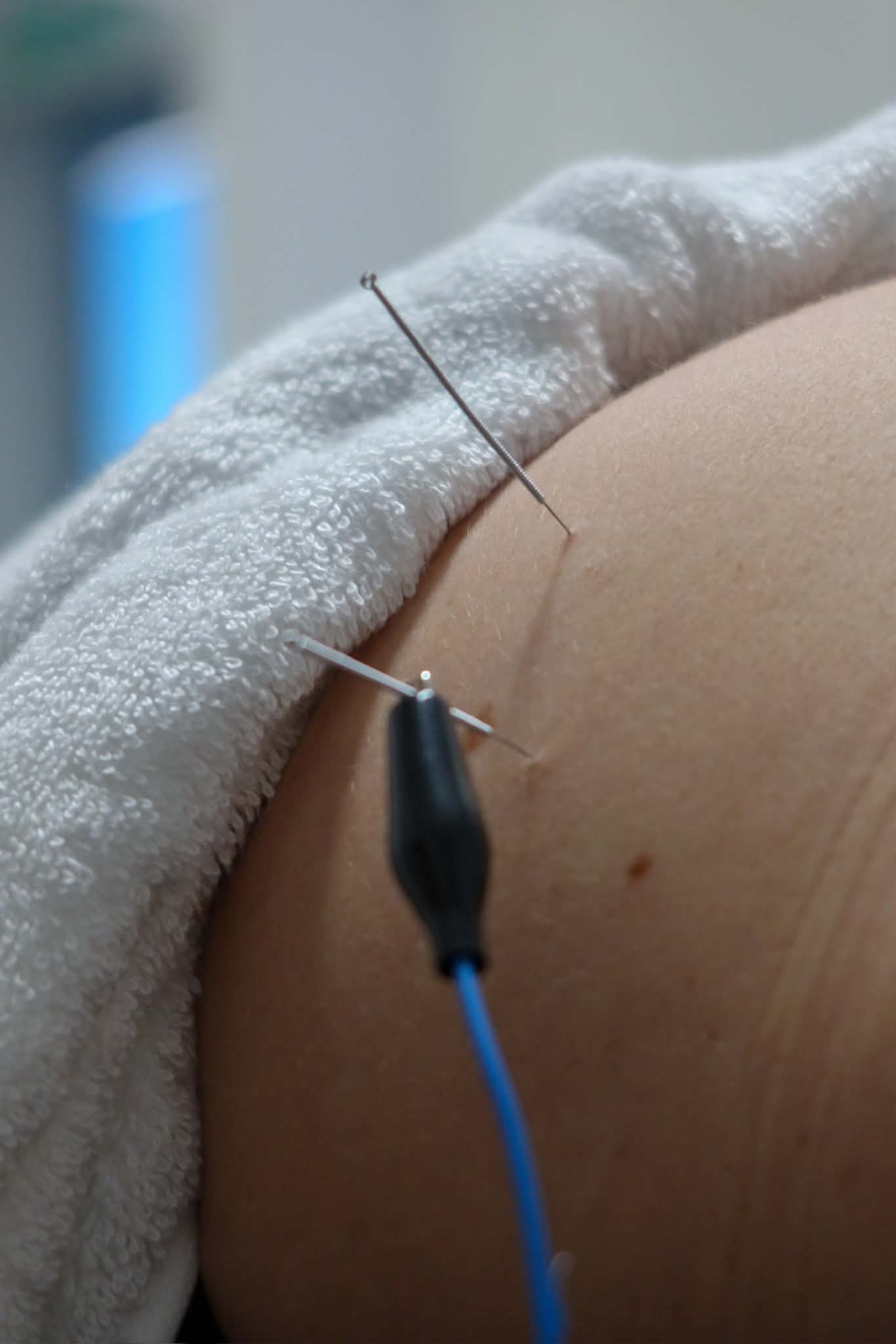
They both use thin needles. They can both help with pain. But dry needling and acupuncture are different treatments with different reasoning behind them. This is one of the most common questions we get at the clinic, so here is a clear breakdown of how they compare.
The Short Answer
Dry needling is a Western clinical technique that targets myofascial trigger points - the tight, irritable knots in muscle tissue that cause pain and restrict movement. Acupuncture is based on traditional Chinese medicine and works along meridian pathways to influence the flow of energy through the body. The needles look the same, but the targets, the reasoning, and the clinical goals are different.
How Dry Needling Works
During dry needling, a fine needle is inserted into a specific point in the muscle identified during your assessment. The aim is to produce a local twitch response - a brief involuntary contraction that releases the tight band and reduces pain sensitivity. The needle is "dry" because there is no medication or injection involved.
The technique is grounded in anatomy, physiology, and musculoskeletal research. The practitioner chooses where to needle based on what they find during your physical examination - which muscles are tight, which trigger points are active, and how they relate to your pain or movement restriction.
How Acupuncture Works
Acupuncture follows a different model entirely. Points are selected based on meridian theory and traditional Chinese medicine principles, not based on a musculoskeletal assessment. The goal is to restore balance in the body's energy flow rather than to release a specific muscle or trigger point.
Some acupuncture points do overlap with common trigger point locations, which is part of why the two get confused. But the reasoning for choosing those points is fundamentally different.
Does One Work Better Than the Other?
For musculoskeletal pain - things like neck pain, lower back pain, shoulder tightness, and headaches - dry needling has a growing body of research supporting its use, particularly when combined with exercise rehabilitation and manual therapy. It tends to be most effective when the problem involves muscle tightness, trigger points, or myofascial restriction.
Acupuncture has its own research base, particularly for chronic pain conditions. Many people find it helpful. The question is less about which one is "better" and more about which approach matches what you are trying to achieve.
What We Use at BodySync
At BodySync we use dry needling as part of an evidence-based, assessment-led approach. When we needle a muscle, it is because your examination identified that muscle as part of the problem. It is commonly combined with chiropractic adjustments, soft tissue therapy, and rehabilitation exercises depending on your presentation.
If you are unsure whether dry needling is the right fit for what you are dealing with, the best starting point is an assessment. We will explain what we find and recommend the approach that makes the most sense for you.
Book online or call us on (08) 9274 5615.
References
- Dunning J, et al. Dry needling: a literature review with implications for clinical practice guidelines. Physical Therapy Reviews. 2014;19(4):252-265.
- Ong J, Claydon LS. The effect of dry needling for myofascial trigger points in the upper trapezius muscle: a systematic review and meta-analysis. Journal of Physical Therapy Science. 2014;26(7):1077-1080.
- Vickers AJ, et al. Acupuncture for chronic pain: update of an individual patient data meta-analysis. The Journal of Pain. 2018;19(5):455-474.
Ready to talk through your options and find what works for you?
Book Online