How does it help?
When muscles are overworked, injured, or held in the same position for long periods, they develop areas of increased tension, trigger points, or fascial adhesions. These changes restrict movement, increase sensitivity, and often cause the joints they attach to to stiffen up as well.
Soft tissue therapy works by mechanically loading and releasing that tissue. Applied pressure stimulates local blood flow, reduces pain sensitivity in the treated area, and helps restore the normal sliding and gliding between muscle and fascial layers. Trigger point release can reduce referred pain patterns - where tightness in one muscle creates pain in a different area entirely.
It is particularly useful when muscle tightness in one area is driving problems elsewhere. For example, tight thoracic muscles limiting shoulder movement, or overactive hip flexors contributing to lower back pain. Combined with joint mobilisation and active rehab, it addresses both the tight tissue and the movement pattern that created it.
Techniques we use
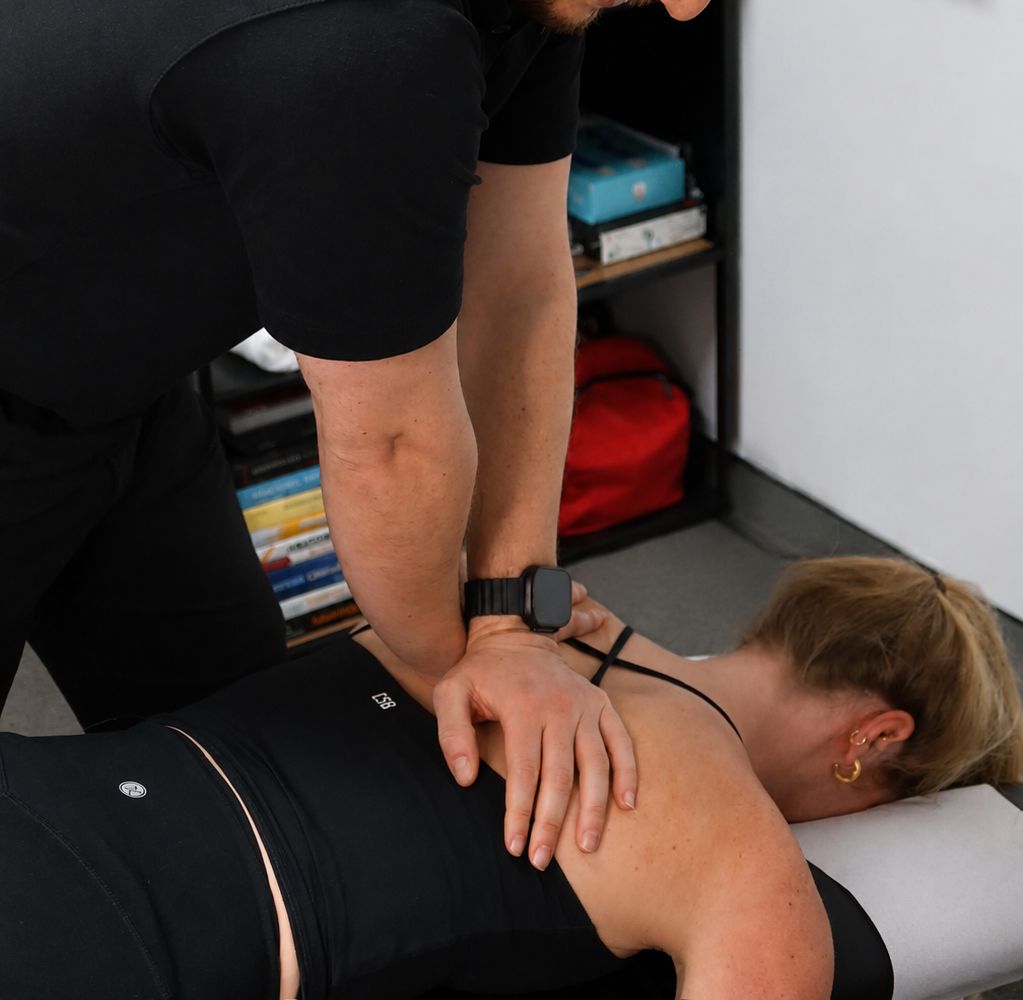
- Trigger point therapySustained pressure on hyperirritable spots within muscle that refer pain or restrict movement. Pressure is held until the tissue releases
- Myofascial releaseSlow, sustained pressure applied to fascial restriction, restoring gliding between tissue layers and reducing referred tension
- Deep tissue workFirm, targeted pressure through deeper muscle layers that contribute to stiffness, guarding, or restricted joint movement
- Cross-fibre techniquesPressure applied across the grain of a tendon or muscle to promote tissue remodelling and break down adhesions
What we treat
Where soft tissue therapy helps most
Soft tissue therapy is useful wherever muscle tension, fascial restriction, or tissue tightness is contributing to the problem. It is one of the most commonly used techniques at the clinic.
Neck and shoulder pain
Upper trapezius, levator scapulae, and suboccipital tightness from posture, stress, or training
Lower back pain
Paraspinal and gluteal muscle tension contributing to stiffness, guarding, and restricted movement
Headaches
Tension headaches driven by tight muscles through the neck, jaw, and base of the skull
Hip and gluteal pain
Deep hip tightness and gluteal tension that limits mobility or refers pain into the leg
Sports injuries
Muscle strains, post-training tightness, and recovery alongside rehabilitation and sports injury management
Upper back stiffness
Thoracic tightness from desk work, driving, or training that limits rotation and shoulder movement
In detail
How soft tissue therapy helps with common conditions
Neck and shoulder pain
The upper trapezius, levator scapulae, and suboccipital muscles are among the most commonly treated areas at the clinic. These muscles tighten in response to sustained postures - desk work, phone use, driving - and develop trigger points that refer pain into the head, behind the eyes, and across the shoulders. Soft tissue therapy releases these trigger points and restores normal resting tone to the muscles, often providing immediate relief from headache and neck stiffness.
This works best when combined with thoracic adjustments to address the joint stiffness that caused the muscles to tighten in the first place, and postural exercises to prevent the pattern recurring.
Lower back pain
The paraspinal muscles, quadratus lumborum, and gluteal muscles frequently become tight and overactive in people with lower back pain. This creates a cycle where the muscles guard the area, the joints stiffen further, and movement becomes increasingly restricted. Soft tissue therapy breaks this cycle by reducing muscle tone and guarding, allowing the joints to be mobilised more effectively.
For chronic lower back pain, the hip flexors and thoracolumbar fascia are often involved as well. Myofascial release through these areas can improve pelvic position and lumbar mobility. Combined with core and posterior chain strengthening, this addresses both the symptom and the underlying driver.
Headaches
Tension-type headaches and cervicogenic headaches both involve muscle tightness through the neck and suboccipital region. The suboccipital muscles at the base of the skull are a common source of referred head pain, and trigger points in the upper trapezius and sternocleidomastoid can refer pain behind the eye, across the temple, and into the forehead.
Sustained trigger point release through these muscles, combined with cervical and thoracic joint mobilisation, is one of the most effective approaches for reducing headache frequency and intensity. Jaw muscle release is also included when clenching or TMJ tension is part of the picture.
Sports injuries and muscle strains
After a muscle strain, scar tissue forms as part of the healing process. This scar tissue is functional but often less elastic than the original tissue, which can restrict movement and increase the risk of re-injury. Cross-fibre soft tissue techniques applied during the remodelling phase help align the new tissue fibres and restore elasticity.
For sports injuries, soft tissue therapy is part of a graded return-to-activity plan. In the early stages it helps manage pain and muscle guarding. As healing progresses, the focus shifts to restoring tissue length and function alongside progressive rehabilitation exercises.
Hip and gluteal pain
The piriformis, gluteus medius, and deep external rotators of the hip are common sources of buttock pain and referred leg symptoms. Trigger points in these muscles can mimic sciatica, creating pain that radiates down the back of the leg. Deep tissue work and trigger point release through the hip muscles can reduce this referred pain and restore hip mobility.
This is especially common in runners, people who sit for long periods, and those with hip weakness patterns. Addressing the soft tissue component alongside gluteal strengthening produces the most lasting results.
Upper back and thoracic stiffness
The thoracic paraspinals and rhomboids become chronically tight in people who sit for long periods. This tightness restricts thoracic rotation and extension, which in turn affects shoulder movement and often contributes to neck pain. Myofascial release and deep tissue work through the thoracic region can significantly improve upper back mobility. Combined with thoracic adjustments and postural strengthening exercises, it provides lasting improvement rather than temporary relief.
Jaw pain and TMJ tension
The masseter and pterygoid muscles are often overlooked sources of jaw pain, facial tension, and headaches. People who clench or grind their teeth develop significant tension through these muscles, which refers pain into the temple, ear, and even the teeth. Soft tissue release through the jaw muscles, combined with cervical treatment, can reduce clenching-related pain and improve jaw opening. Many patients are surprised by how much relief this provides.
Forearm and wrist pain
Grip-related forearm tension is common in climbers, gym-goers, tradespeople, and desk workers. The forearm extensors and flexors develop trigger points and fascial restriction that contribute to lateral and medial elbow pain, wrist stiffness, and reduced grip strength. Cross-fibre soft tissue work through the forearm muscles, combined with wrist and elbow mobilisation, addresses the tissue component. Progressive loading exercises then rebuild the tissue's capacity to handle the demands placed on it.
The process
What to expect at your session
Assessment first
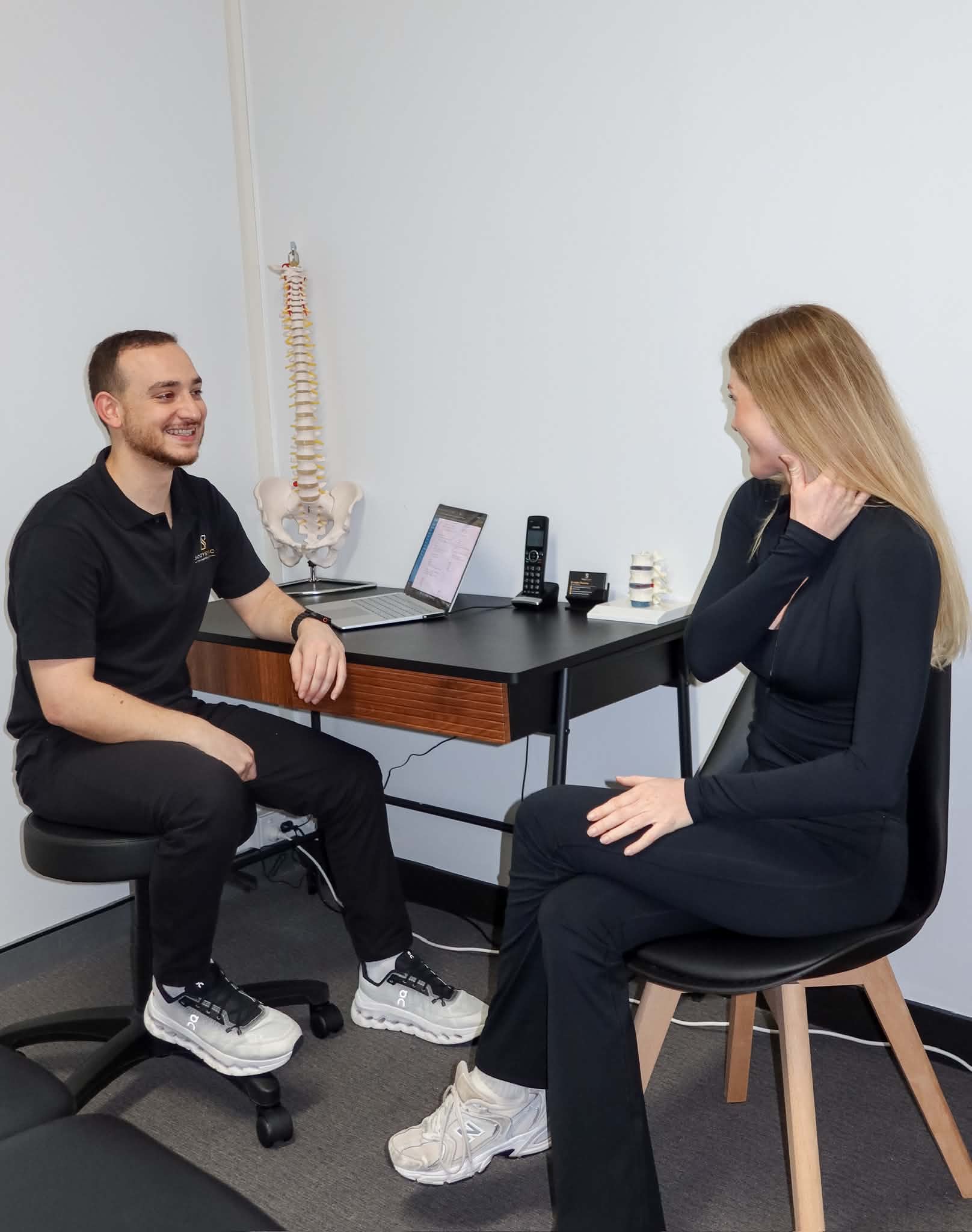
Before any soft tissue work, we assess the relevant muscles, joints, and movement patterns to identify exactly where the restriction is and what is driving it. See our first appointment guide for more on how consultations are structured.
Targeted treatment
Soft tissue therapy is applied to the specific areas your assessment identified. Technique and pressure are adjusted to your comfort throughout. Some areas may be tender, particularly where there are active trigger points.
Combined approach
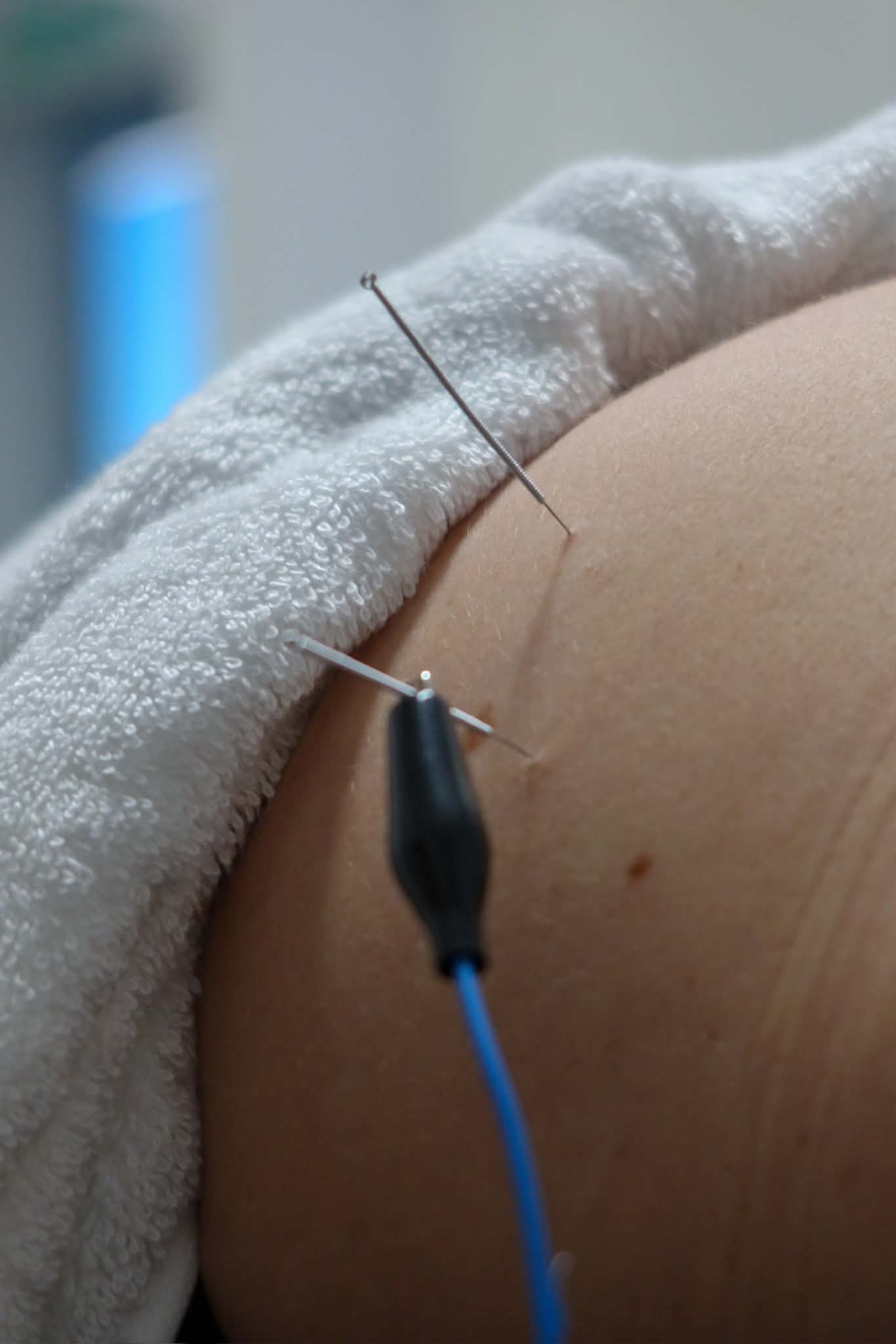
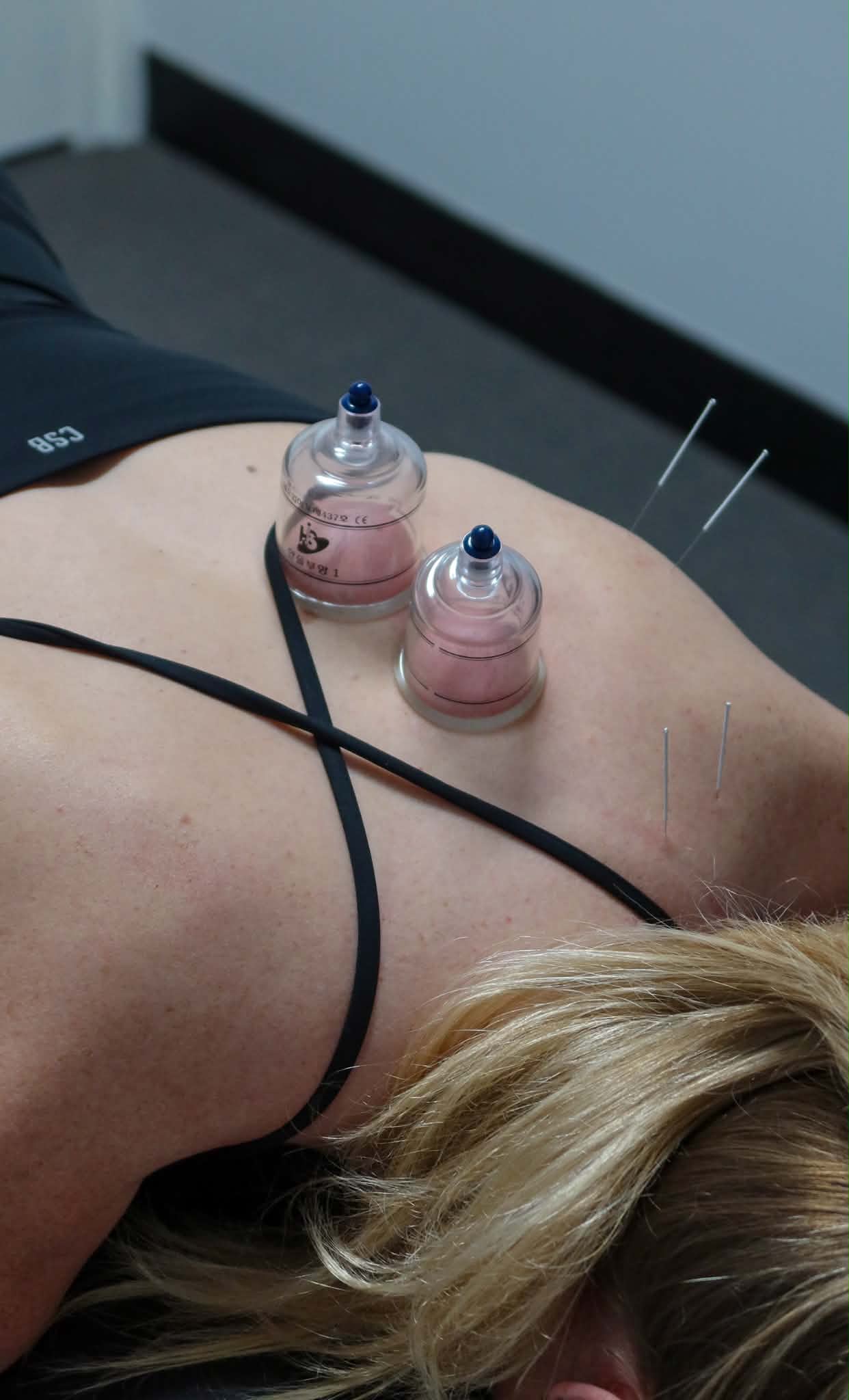
Soft tissue work is typically combined with joint mobilisation or adjustments, and where needed, dry needling or cupping. The mix depends on what your body needs that session.
Aftercare
Mild soreness for a day or two is normal, similar to what you might feel after a workout. Where appropriate, we prescribe specific exercises to maintain the gains from treatment and prevent the issue returning.
Common questions
What people ask us
Is soft tissue therapy the same as remedial massage?
There is overlap in technique, but soft tissue therapy at BodySync is part of a chiropractic consultation. If you are wondering about the broader differences between chiropractic and physiotherapy, see our comparison article. It is targeted to specific areas based on your assessment rather than applied as a full-body treatment. The focus is clinical - addressing what is contributing to your pain or movement issue.
Will it hurt?
Some areas may be tender, particularly where there are active trigger points or significant restriction. Pressure is always adjusted to your comfort. Post-treatment soreness for a day or two is normal and settles on its own.
Do I book a separate soft tissue appointment?
No. Soft tissue therapy is part of your overall consultation, not a separate booking. The amount of time spent on it depends on what your assessment shows. It is combined with other techniques as part of your treatment plan.
Is it covered by health insurance?
When performed as part of a chiropractic consultation it is typically claimed under your chiropractic extras cover. We have HICAPS for on-the-spot claiming. See our private health insurance guide for more detail.
How often should I have soft tissue therapy?
This depends on the condition. For acute issues, closer sessions initially (once or twice a week) allow faster progress. For maintenance or chronic conditions, less frequent visits are usually sufficient. Your treatment plan will outline the recommended frequency and be adjusted as you improve.
Can I just get soft tissue work without an adjustment?
Absolutely. We always start with an assessment so we understand the full picture, but if your presentation only needs soft tissue therapy, that is what the session will focus on. The treatment is always matched to what your body needs, not a fixed routine.
What should I wear?
Comfortable clothing that allows access to the area being treated. For upper back and shoulder work, a singlet or sports bra works well. For lower back and hip work, shorts are ideal. We provide towels and gowns if needed.
Ready to get started?
Book an initial consultation. We will assess your presentation, explain our findings, and put together a plan that makes sense for you.
Book online