How does it work?
When a needle enters a trigger point, it often produces a local twitch response - a brief, involuntary contraction of the muscle fibres. This is a useful clinical sign that the needle has engaged the trigger point.
The research on the exact mechanisms is still developing. What the evidence does support is that dry needling can reduce trigger point pain and sensitivity, improve range of motion, and complement other manual therapy approaches in reducing muscle-related pain.
Systematic reviews support its use for musculoskeletal pain - particularly in the neck, shoulders, and lower back - though effect sizes vary and it works best as part of a broader treatment plan rather than a standalone intervention.
The mechanism
- Local twitch responseThe needle entering a trigger point often produces a brief involuntary muscle contraction. This appears to disrupt the trigger point and is associated with reduced pain sensitivity
- Improved local circulationTrigger points are often hypoxic. Needling promotes blood flow to the area, restoring normal tissue environment
- Neurophysiological effectsThere is evidence that dry needling alters pain signalling at the spinal cord level, reducing sensitisation in persistent pain presentations
- Muscle length and toneReleasing trigger points can restore normal resting muscle length and reduce excessive tone, improving range of motion
What we treat
Conditions that respond well
Dry needling is most useful when muscle tightness, trigger points, or restricted movement are a significant part of the picture. It is less appropriate for purely joint-based or nerve-related pain without a myofascial component.
Neck and shoulder pain
Upper trapezius, levator scapulae, and cervical trigger points that refer pain or create tension headaches
Lower back pain
Paraspinal and gluteal trigger points that contribute to stiffness, restricted movement, or referred leg pain
Headaches
Tension-type and cervicogenic headaches linked to trigger points in the neck and suboccipital muscles
Hip and gluteal pain
Piriformis and deep gluteal trigger points that mimic sciatica or limit hip mobility
Elbow and forearm pain
Forearm extensor trigger points commonly involved in tennis elbow and grip-related pain
Sports and training injuries
Calf, hamstring, and quad trigger points from training load, acute strains, or persistent muscle tightness
In detail
How dry needling helps with common conditions
Neck and shoulder pain
The upper trapezius is one of the most commonly needled muscles at the clinic. Trigger points here refer pain into the neck, head, and behind the eye. The levator scapulae and cervical paraspinals are also frequently involved. Needling these trigger points produces a local twitch response that releases the tight band and reduces the referred pain pattern. Combined with cervical and thoracic adjustments, this is one of the most effective treatment combinations for neck-related pain.
Lower back pain
Trigger points in the paraspinal muscles, quadratus lumborum, and gluteal muscles are common contributors to lower back pain. These muscles often develop trigger points in response to joint restriction, poor posture, or overloading. Dry needling reaches deeper muscle layers that are difficult to access with manual soft tissue work alone, making it particularly useful for persistent tightness that has not responded to other treatment.
Headaches
Tension headaches and cervicogenic headaches are often linked to trigger points in the suboccipital muscles, upper trapezius, and sternocleidomastoid. These trigger points refer pain into characteristic headache patterns. Dry needling these muscles can reduce headache frequency and intensity, particularly when combined with manual therapy and postural correction through the cervical and thoracic spine.
Hip and gluteal pain
The piriformis and deep gluteal muscles are common sources of buttock pain and referred leg symptoms that can mimic sciatica. These muscles sit deep and are difficult to release with manual pressure alone. Dry needling accesses them effectively, and the resulting release often produces immediate improvement in hip mobility and a reduction in referred leg pain. This is a common presentation in runners, desk workers, and people who train regularly.
Sports and training injuries
Muscle tightness following sports injuries or heavy training is one of the most responsive presentations to dry needling. Calf, hamstring, and quadriceps trigger points from training load or acute strain respond well to needling as part of a graded return to activity. Combined with progressive rehabilitation, it helps restore normal muscle function and reduce the risk of re-injury.
Elbow and forearm pain
Tennis elbow and golfer's elbow frequently involve trigger points in the forearm extensor and flexor muscles. These trigger points contribute to the pain and grip weakness that characterise the condition. Dry needling the affected forearm muscles, combined with wrist and elbow mobilisation and progressive tendon loading through rehabilitation, is an effective combination for these conditions. The needling addresses the muscle component while the loading program strengthens the tendon.
Jaw and TMJ pain
The masseter and lateral pterygoid muscles develop trigger points from clenching, grinding, and stress. These trigger points refer pain into the temple, ear, and jaw, and can limit jaw opening. Dry needling the jaw muscles is a precise technique that often produces rapid improvement. It is combined with cervical adjustments and soft tissue work through the neck and suboccipital muscles for comprehensive management of TMJ-related symptoms.
Plantar fasciitis and foot pain
Trigger points in the calf muscles - the gastrocnemius and soleus - and the intrinsic foot muscles are commonly involved in plantar fasciitis and heel pain. Needling these trigger points reduces the tension loading the plantar fascia and can provide significant pain relief. This is combined with calf and foot strengthening through rehabilitation exercises and, where needed, ankle mobilisation to address joint stiffness contributing to altered gait.
The process
What to expect at your session
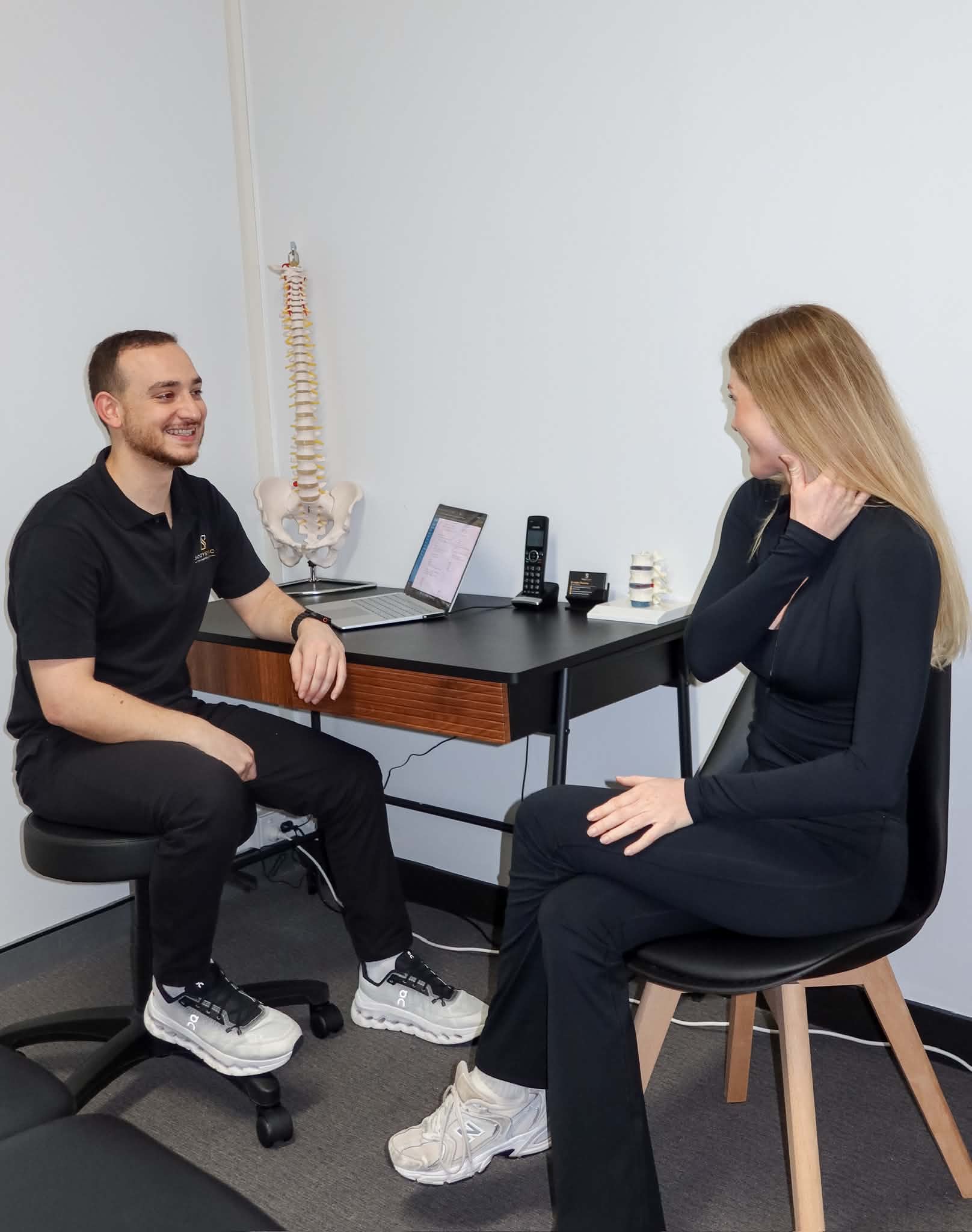
Dry needling is not suitable for every presentation, and it is never the first thing we do. Every session starts with an assessment.
Assessment first
Before any needling takes place, we assess your movement, identify where trigger points are active, and confirm that dry needling is an appropriate option for your presentation. If you are on blood thinners, have a needle phobia, are in your first trimester of pregnancy, or have certain skin conditions in the treatment area, we will discuss alternatives.
Needling the trigger points
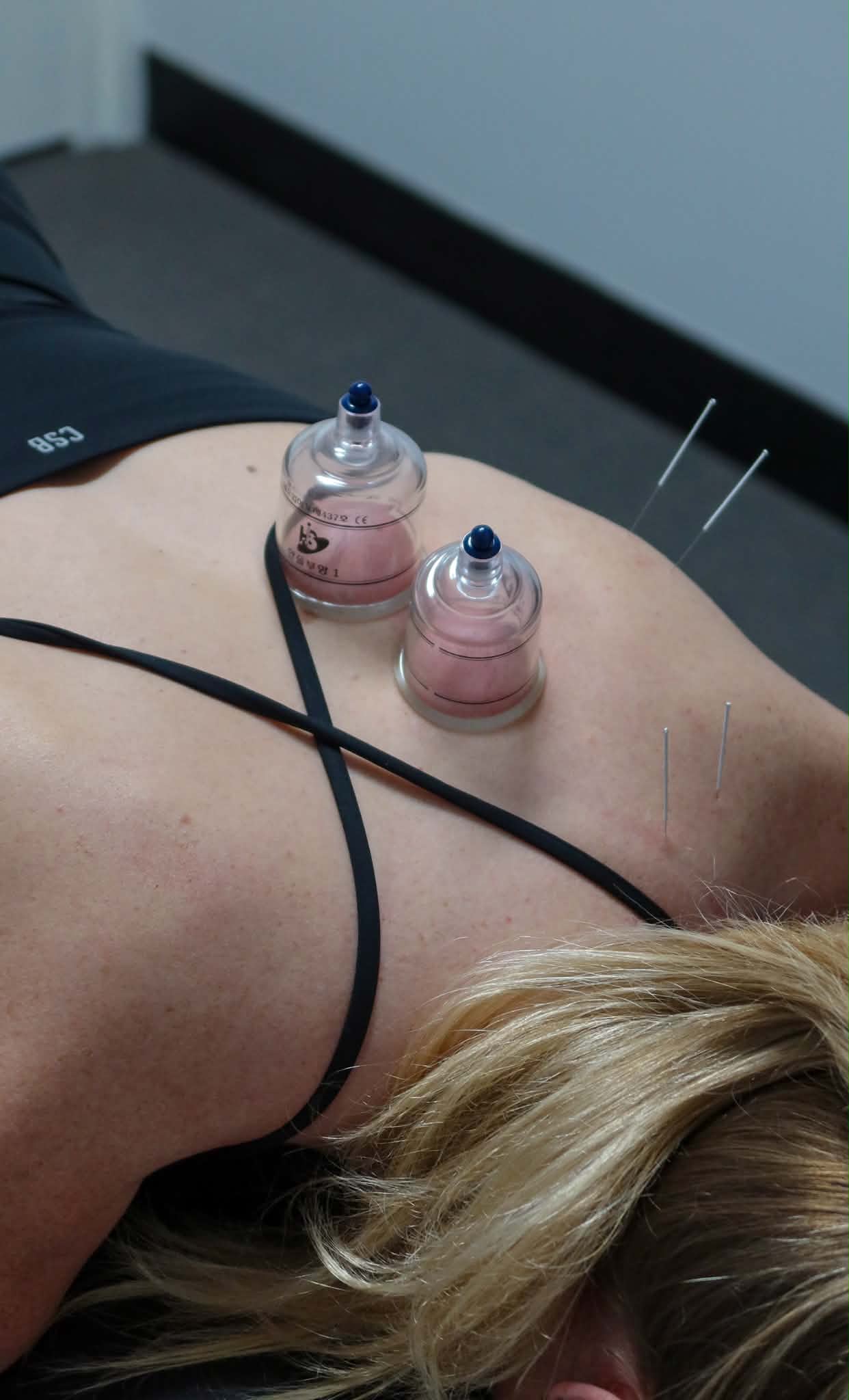
Needles are inserted into the identified trigger points. You may feel a brief local twitch - an involuntary muscle contraction - and a dull ache or pressure during insertion. This is a normal part of the process and usually settles within seconds. We use single-use, sterile needles every time.
Combined with manual therapy
Dry needling is almost always followed by hands-on work - joint mobilisation, soft tissue therapy, or exercise - to reinforce the release and address any underlying movement patterns that contributed to the trigger point activity in the first place.
Post-treatment soreness
Some soreness in the treated area over the following 24 to 48 hours is normal and expected - similar to the feeling after a hard training session. It generally resolves on its own. Light movement and staying hydrated can help. If soreness is more significant or persists beyond 48 hours, let us know.
Common questions
Safety and what people ask
Is dry needling safe?
Dry needling is generally safe when performed by a trained practitioner. Serious adverse events are rare. The most common side effects are temporary local soreness, minor bruising, and - occasionally - brief light-headedness during or just after the session. We use single-use sterile needles, and we assess appropriateness before proceeding.
Does it hurt?
The needle itself is very fine - much thinner than an injection needle - so insertion is usually not painful. The local twitch response can produce a brief dull ache or cramp sensation, which passes quickly. Most patients find it more manageable than they expected.
How many sessions will I need?
There is no set number. Some presentations respond noticeably in one or two sessions; others take longer, particularly if the trigger points are part of a more complex or long-standing pattern. We reassess at each visit and adjust the plan accordingly. We will not keep needling you if it is not contributing to progress.
Can I exercise after a dry needling session?
Light activity on the day is generally fine. Intense training in the first 24 hours is best avoided while the post-treatment soreness is present - you are likely to feel more fatigued than usual in the treated area. We will give you specific guidance based on your situation.
Is dry needling covered by private health insurance?
This depends on your fund and level of cover. If dry needling is provided as part of a chiropractic consultation, it is typically claimed under chiropractic - but funds vary. We have HICAPS at the clinic so you can claim on the spot. See our guide to private health and chiropractic for more detail.
What is the difference between dry needling and acupuncture?
They use the same type of needle, but the similarity ends there. Acupuncture is rooted in traditional Chinese medicine and targets points along meridian pathways. Dry needling is a Western musculoskeletal technique that targets myofascial trigger points based on anatomy, pain referral patterns, and movement assessment. Different training, different goals, different clinical reasoning.

Ready to get started?
Book an initial consultation. We will assess your presentation, explain our findings, and put together a plan that makes sense for you.
Book online