What we treat
Common sports injuries we see
This is not an exhaustive list. If you have a sports-related injury that is not listed here, get in touch - the same approach to assessment and rehabilitation applies broadly.
Muscle strains and tears
Hamstring, calf, quad, and groin injuries from acute tears through to recurring issues
Shoulder pain
Rotator cuff injuries, impingement, and AC joint problems common in overhead sports and gym training
Knee pain
Runner's knee, IT band pain, and patellofemoral issues linked to hip strength, load, or running form
Ankle and foot pain
Ankle sprains, plantar fasciitis, and ongoing instability - including rehab and balance retraining
Tendon injuries
Achilles, patellar, and rotator cuff tendon pain managed with progressive loading and exercise rehabilitation
Lower back pain
Training-related back pain from lifting, running, or sport - addressing the episode and the factors behind it
In detail
How we manage common sports injuries
Hamstring and calf strains
Muscle strains are one of the most common sports injuries we treat. In the acute phase, the priority is managing pain and protecting the tissue while it heals. As the muscle repairs, soft tissue therapy helps align the new tissue fibres, and progressive loading through rehabilitation exercises rebuilds the muscle's capacity to handle the demands of your sport. For recurrent strains, we look at why it keeps happening - often it comes down to inadequate rehabilitation the first time, or an underlying strength or flexibility deficit.
Shoulder injuries
Rotator cuff issues, impingement, and AC joint injuries are common in overhead sports, gym training, and contact sport. Treatment starts with mobilisation of the shoulder and thoracic spine to restore movement, soft tissue work through the rotator cuff and surrounding muscles, and a progressive strengthening program targeting scapular control and rotator cuff endurance. The goal is full, pain-free function - not just getting through the day.
Knee pain in runners
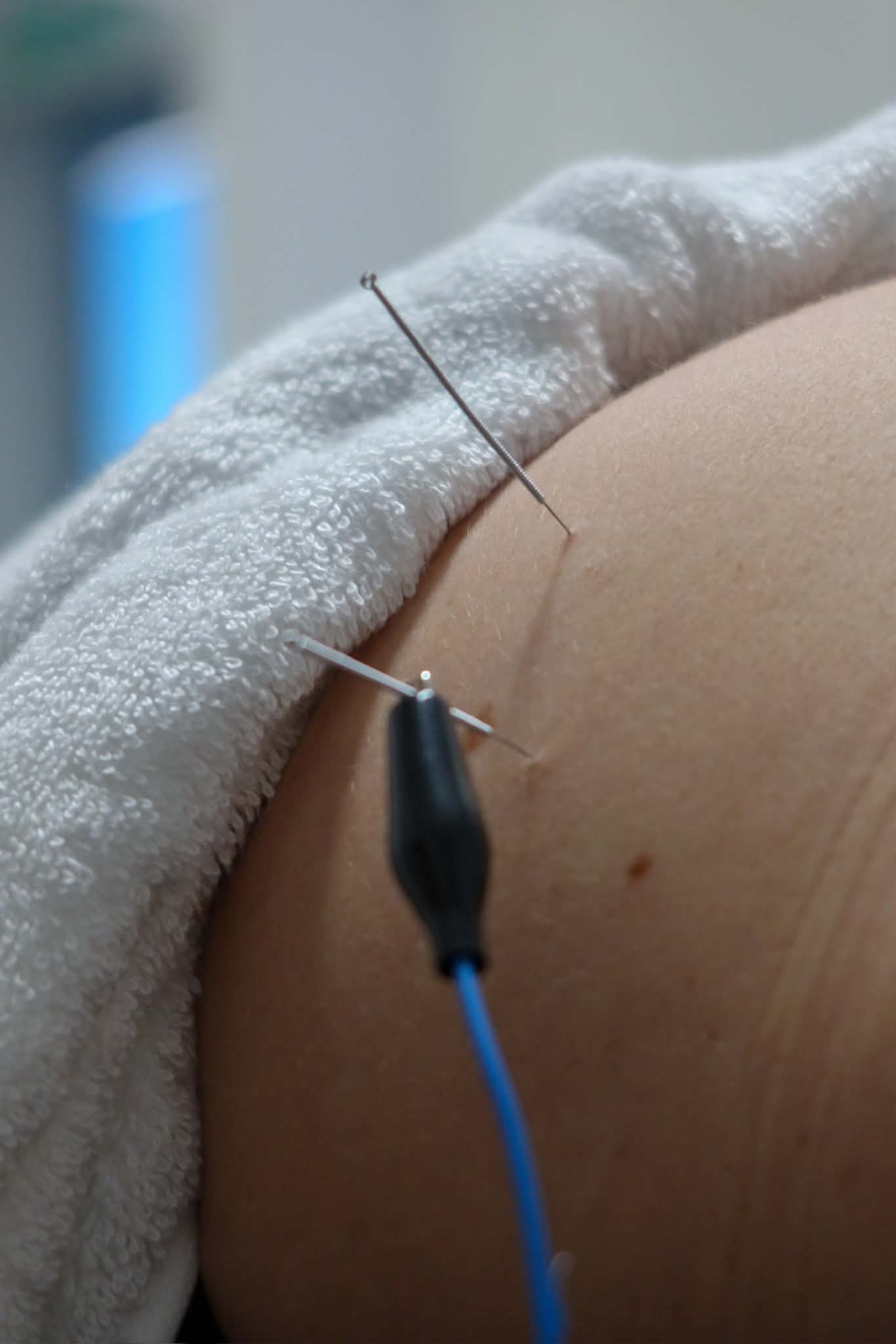
Runner's knee and IT band pain are rarely just knee problems. They are usually driven by hip weakness, poor running mechanics, training load errors, or a combination of all three. We assess the whole chain - hip, knee, ankle, and foot - to identify what is overloading the knee. Treatment includes dry needling and soft tissue work for immediate relief, and a targeted rehabilitation program addressing the underlying cause. Load management advice helps you stay active while recovering.
Ankle sprains
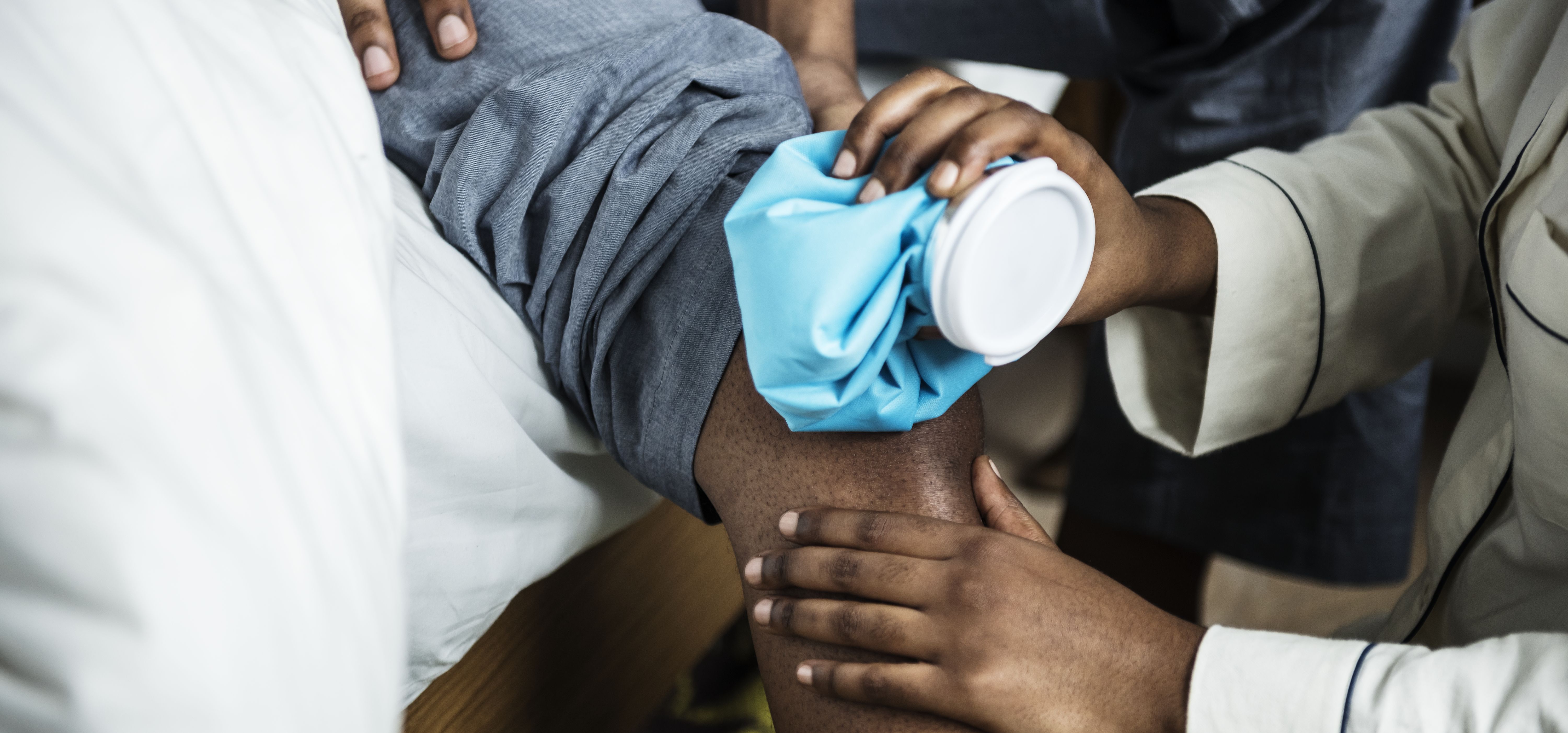
Ankle sprains are common, but they are frequently under-rehabilitated. Many people rest until the pain settles and then return to activity without addressing the joint stiffness, swelling, and proprioceptive deficit that remain. This is why ankle sprains so often recur. Our approach includes early mobilisation of the ankle joint, soft tissue work to manage swelling and muscle guarding, and a progressive balance and strengthening program to rebuild the stability the ankle needs for sport.
Tendon injuries
Achilles tendinopathy, patellar tendinopathy, and rotator cuff tendinopathy are all load-related conditions. They develop when the tendon is loaded beyond its capacity, and they respond best to progressive tendon loading programs. Rest alone does not fix tendons - they need controlled stress to remodel and strengthen. We design loading programs specific to the affected tendon and your activity level, alongside manual treatment to address the surrounding muscle and joint factors.
Lower back pain from training
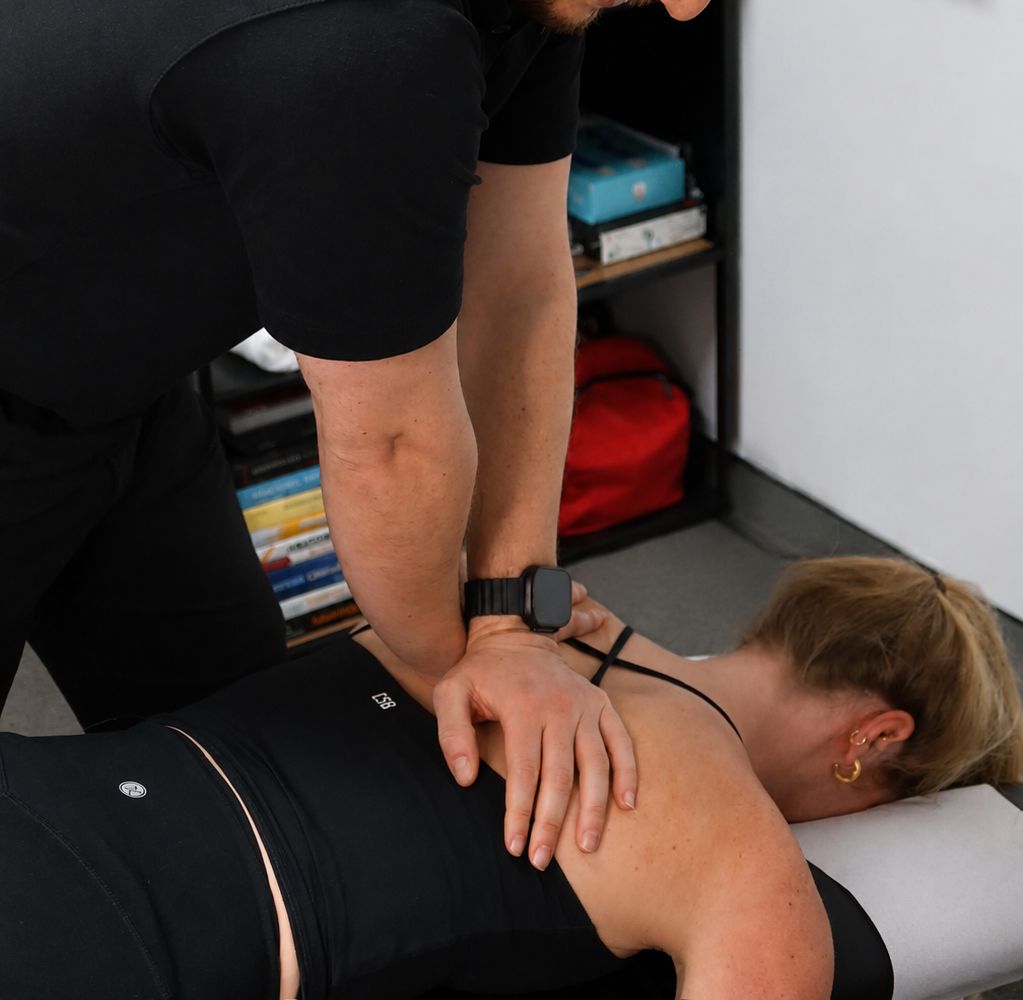
Training-related lower back pain is common in powerlifters, CrossFit athletes, runners, and team sport players. It can be driven by joint restriction, disc irritation, muscular overload, or a combination. Treatment addresses the acute pain with spinal adjustments, soft tissue therapy, and load modification. Rehabilitation then addresses the underlying factors - often core stability, hip mobility, or technique issues - to prevent recurrence. For athletes who want to continue training, we work with load modification strategies that allow them to stay active while managing the injury.
Neck injuries from contact sport
Contact sports like rugby, AFL, and martial arts can create cervical and thoracic joint restriction from impacts, tackles, and sustained grappling positions. Cervical and thoracic adjustments restore movement, soft tissue therapy addresses the resulting muscle guarding, and neck strengthening exercises reduce the risk of future injury. For martial artists in particular, the combination of cervical mobility work and neck strengthening is important for managing the demands of regular training.
Recurring injuries
If the same injury keeps coming back, the issue is usually incomplete rehabilitation rather than bad luck. A hamstring strain that recurs every few months, a shoulder that flares up every time you increase overhead volume, or an ankle that rolls repeatedly - these are all signs that the original injury was not fully rehabilitated. We look at the injury pattern, assess the underlying deficit, and build a rehabilitation program that addresses what was missed. Breaking the cycle of recurrence is one of the most valuable things proper sports injury management can achieve.
The process
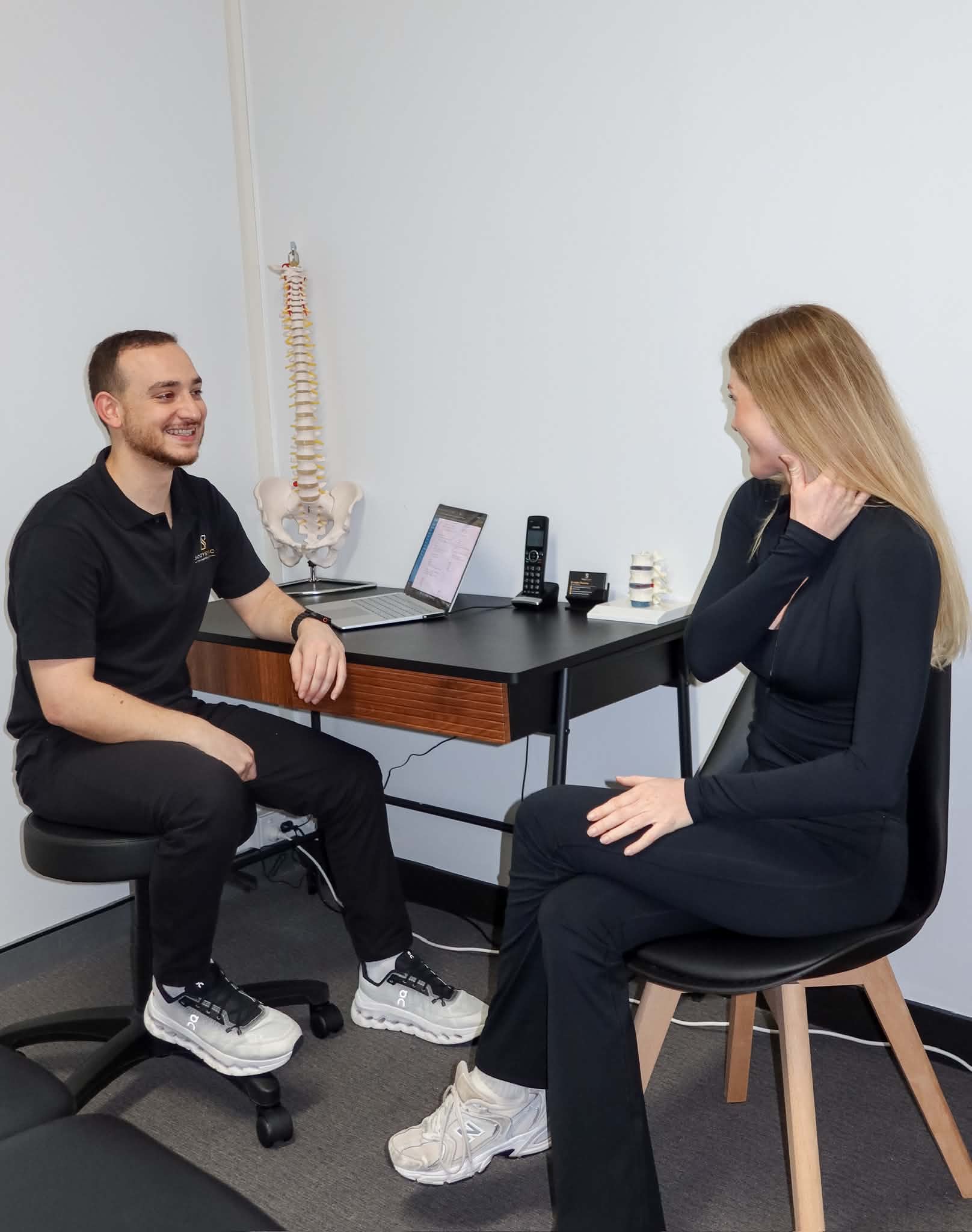
What your first visit looks like
History and load assessment
We start by understanding your training - what you do, how much, how often, and how that has changed recently. Most sports injuries have a load story. Understanding yours tells us a lot before we have even looked at the injury itself.
Movement and physical assessment
We assess the injured area alongside the structures above and below it. For a knee injury that means looking at the hip and ankle too. For a shoulder injury we look at the thoracic spine and scapula. The local assessment is important, but the contributing factors are often elsewhere.
Treatment on the day
In most cases some treatment takes place at the initial visit once we have a clear picture of what is happening. This may include joint manipulation or mobilisation, soft tissue work, dry needling, or cupping - depending on what the assessment finds and what you are comfortable with.
A plan, not just a session
Before you leave we discuss what we found, what we think is driving it, and what the plan looks like - including what you can and cannot do in training while you recover, and what exercises will support your rehabilitation. We want you to understand your injury, not just be treated for it.
Common questions
What people ask us
Do I need a referral?
No. You can book directly. If you have imaging or a report from another practitioner, bring it along - it helps give us more context. We will refer you for imaging or to another specialist if we think it is warranted after assessment.
Can I keep training while I recover?
In most cases, yes - with modification. Complete rest is rarely the best approach for soft tissue injuries. We will give you specific guidance on what loading is appropriate during recovery, and we will work around your training schedule where possible.
How many sessions will I need?
It depends on the injury and how long it has been present. Acute injuries with clear load drivers often resolve in a small number of sessions once load is managed and tissue is treated. Chronic or recurrent injuries take longer because there is usually an underlying pattern to address. We will give you an honest estimate after the initial assessment.
I have had this injury before - why does it keep coming back?
Recurring injuries almost always have an underlying driver that was not fully addressed the first time - usually a strength deficit, a movement pattern, or how training load was managed during recovery. That is exactly what we try to identify and fix, so the same thing does not keep happening.
Is sports injury treatment covered by private health insurance?
Chiropractic treatment for sports injuries is covered under chiropractic extras on most funds. We have HICAPS for on-the-spot claiming. See our guide to private health and chiropractic for more detail.
How soon after an injury should I come in?
As soon as you can. Early assessment and treatment helps manage pain, guides appropriate activity modification, and sets up the recovery process. You do not need to wait until the acute pain settles to be seen.
Do I need imaging before my appointment?
Not usually. Most sports injuries can be assessed clinically. If imaging is needed, we will refer you for the appropriate scan after your initial assessment. Having imaging beforehand is not a requirement for booking.
Can I keep training while injured?
In most cases, yes - with modifications. Complete rest is rarely the best approach. We help you identify what activities you can continue safely, what needs to be modified, and what should be avoided while the injury recovers. Staying active within appropriate limits supports faster recovery.
Ready to get started?
Book an initial consultation. We will assess your injury, explain what is driving it, and put together a plan to get you back training.
Book online