Patient Guide
What Is Cupping Therapy?
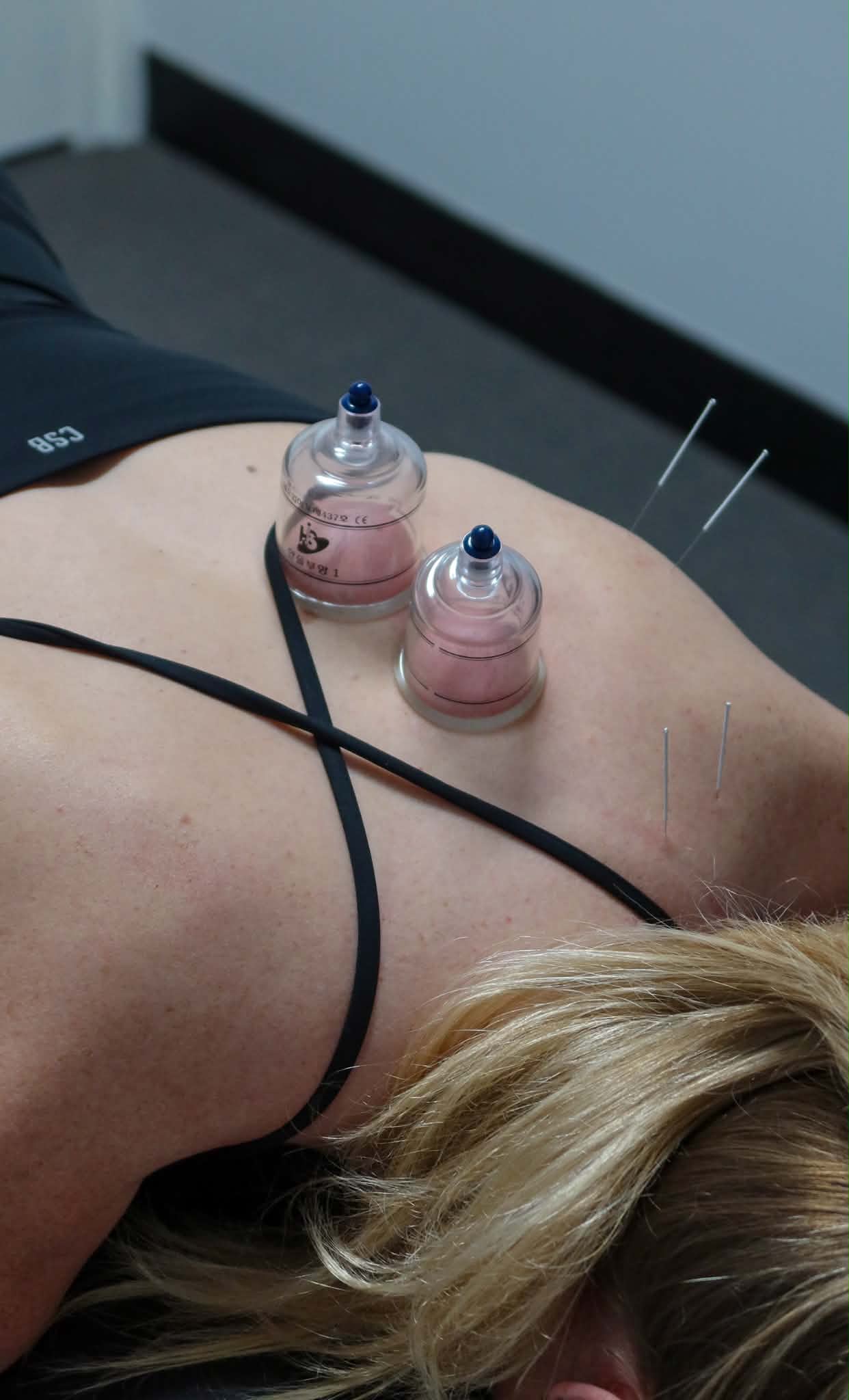
Cupping therapy is one of those treatments that tends to get attention for how it looks rather than what it does. It is a safe, hands-on technique used to help reduce muscle tightness and relieve pain. If you have been curious about it or wondering whether it might help you, here is what you need to know.
How Does Cupping Work?
During cupping, plastic or silicone cups are placed on the skin and a vacuum is created, either by suction or by pump. This draws the underlying tissue upward into the cup, creating a decompression effect that helps relieve tension in the muscles beneath. It is essentially the opposite of massage, which uses direct pressure. The round marks left behind are not bruises. They are a result of blood being drawn to the surface and typically fade within a few days to a week.
What Conditions Does It Help With?
Cupping can help with short-term pain relief in chronic musculoskeletal conditions. It is commonly used for neck pain, shoulder pain, low back pain, and knee pain.
It is worth noting that cupping is one modality amongst many, and it works best when used as part of a broader treatment approach. On its own it can offer short-term relief, but combining it with other treatments and exercise therapy is where the real long-term benefit tends to come from.
Is Cupping Safe?
Cupping is a low-risk treatment. The most common side effects are the circular skin marks, mild tenderness in the area, and occasional light bruising. Serious adverse events are rare. It is worth letting your practitioner know if you are on blood thinners or have any skin conditions in the area being treated.
What Does It Feel Like?
Most people describe it as a strong pulling or tightening sensation. It can feel unusual at first, but it is rarely painful. Many people find it relaxing once they get used to it. The cups are typically left in place for five to ten minutes depending on the area and the goal of treatment.
How We Use It at BodySync
Cupping is one of several tools we use at BodySync Chiropractic. We often combine it with chiropractic adjustments, joint mobilisation, soft tissue therapy, dry needling, TENS therapy, or exercise rehabilitation depending on what suits your presentation. You can read more about some of these in our articles What Is a Chiropractic Adjustment? and What Is Dry Needling?
If you have questions or want to know whether cupping might help with what you are dealing with, book online or give us a call on (08) 9274 5615.
References
- Jia Y, et al. Effects of cupping therapy on chronic musculoskeletal pain and collateral problems: a systematic review and meta-analysis. BMJ Open. 2025;15(5):e087340.
- Torad AAM, et al. Effect of cupping therapy on chronic neck pain: a systematic review and meta-analysis of randomized controlled trials. Journal of Manipulative and Physiological Therapeutics. 2026.
Ready to talk through your options and find what works for you?
Book Online